
How Delaware’s seasons shape biohazard risks
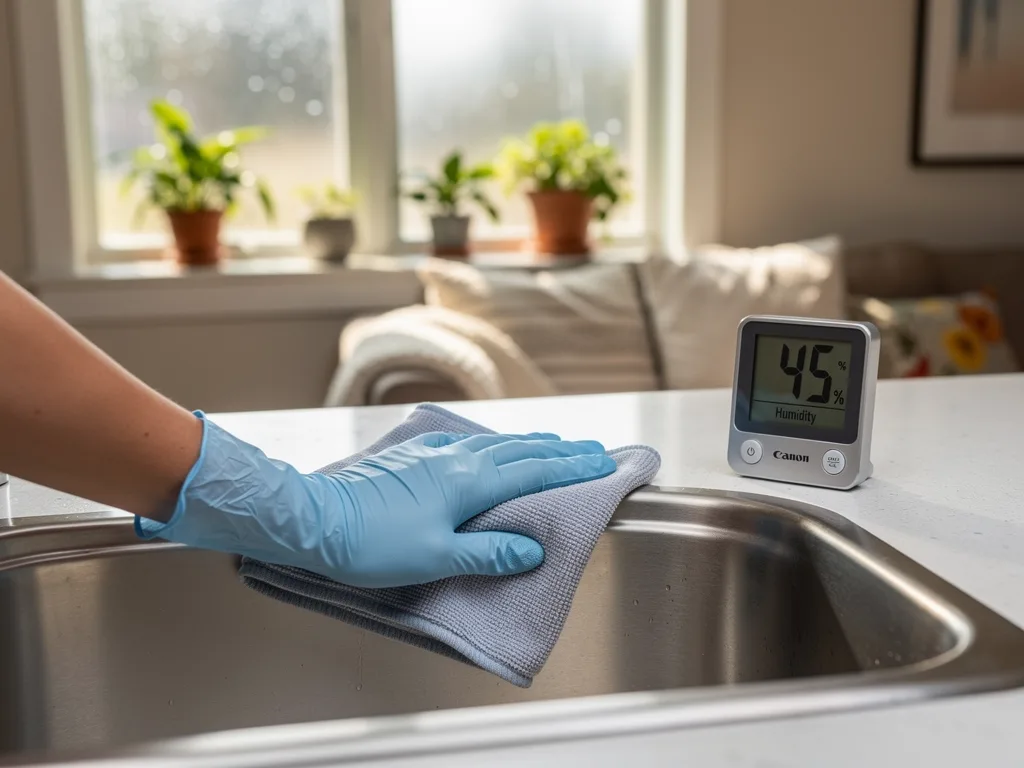
Humidity and temperature swings in Delaware can influence mold growth, bacterial activity, and cleanup needs. Each season brings its own patterns, from damp basements after rain to dusty, dry spaces in transitional months. Our biohazard remediation technicians see these changes every year, and we tailor recommendations to keep homes safer year round.
Understanding the statewide climate helps you plan routine checks and quick responses. Across Delaware, a proactive approach reduces the intensity of remediation needs and keeps living spaces healthier for everyone.
Seasonal steps you can take
Spring and early summer: check for moisture intrusion after storms, inspect basements and crawl spaces, and address any signs of dampness promptly. Keep gutters clear and ensure proper drainage away from the home. Dry, ventilate, and monitor for musty odors that could signal hidden moisture or contamination.
Summer and fall: manage humidity with dehumidifiers in damp areas and maintain good air exchange. If you notice persistent odors indoors, call a professional for an evaluation rather than DIY masking solutions. In Delaware, a professional assessment helps identify unseen sources and plan safe cleanup if needed.
Preventive routines that help statewide
Regular inspections across Delaware can catch issues before they escalate. Keep a written log of any concerns, photos of changes in odors or staining, and notes about moisture levels. If a cleanup is ever necessary, our biohazard remediation technicians can respond with a statewide network that understands the local climate, building practices, and common risk areas.
Establish a simple containment habit: designate a safe area to contain any suspected contamination and avoid spreading it to other rooms. In Delaware, consistent precautions and timely professional input are the best defense against hidden hazards lasting through the year.